
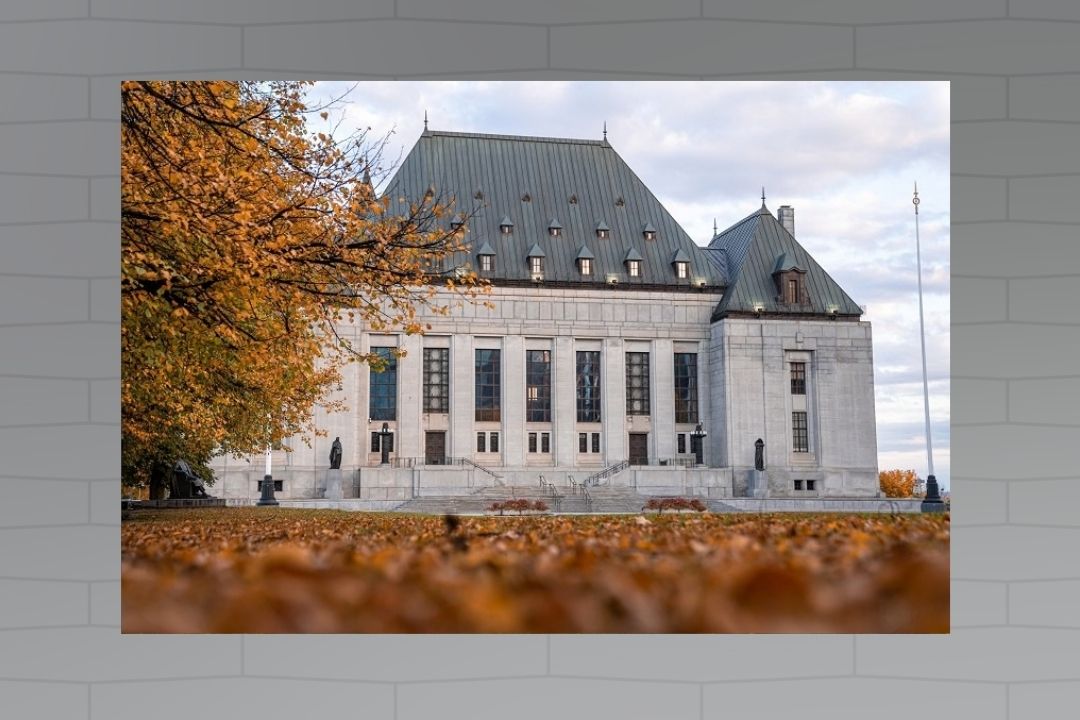
Ralston book on Gladue sentencing principles cited by Supreme Court
The Supreme Court of Canada decision clarifies sentencing principles for cases in which the offender and the victim are both Indigenous.
Professor Benjamin Ralston at the University of Saskatchewan College of Law was cited in the Supreme Court of Canada’s Cope decision, which clarifies how sentencing judges should approach cases in which both the offender and the victim are Indigenous.
This was a sentencing case involving intimate partner violence where the offender and victim were both Indigenous persons (Mi’kmaw). This meant the sentencing judge had to balance different statutory provisions, two of which require an emphasis on deterrence and denunciation of this kind of violence against Indigenous women and one of which requires attention to the unique circumstances that lead to the over-incarceration of Indigenous persons in Canada. A sentencing circle had taken place but the judge declined to follow its proposals.
The majority decision was written by Justice Michelle O’Bonsawin. She emphasized the need to apply sentencing principles for Indigenous offenders and victims of crime together harmoniously as part of the long-term process of reconciliation. Among other things, this requires attention to Indigenous communities’ needs, capacities, laws, perspectives, and approaches to sentencing as they can play a key role in providing appropriate alternatives.
Justice O’Bonsawin cited Ralston’s book, The Gladue Principles: A Guide to the Jurisprudence (2021), published by the Indigenous Law Centre, for its discussion of the need to consider the perspective of an Indigenous offender’s community in sentencing them. She connected this to how sentencing circles provide a vehicle for understanding the community’s perspective.
Professor Ralston was happy to see his work cited by the Supreme Court, along with the work of other scholars regarding the need for balance when considering Indigenous circumstances in the sentencing process.