
CREATE Justice director talks Access to Justice on Evan Bray Show
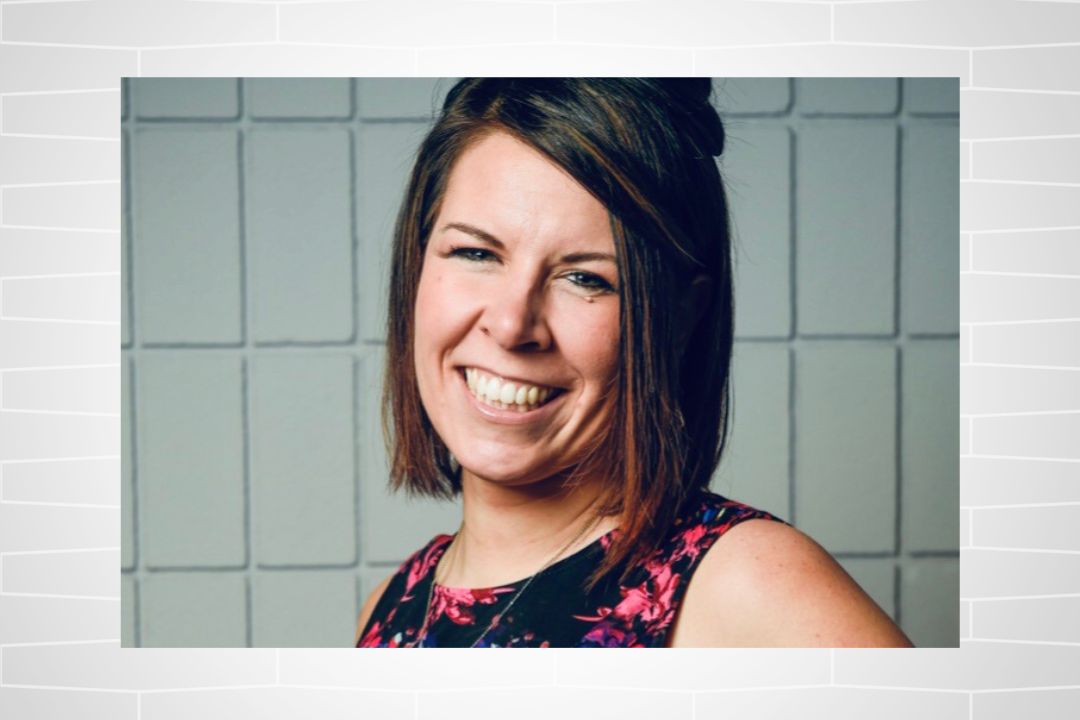
Brea Lowenberger of CREATE Justice spoke to 650 CKOM radio during 2024's Access to Justice Week in Saskatoon.
By USask Law CommunicationsEvan Bray, host of The Evan Bray Show on 650 CKOM, spoke to Brea Lowenberger on Wednesday, October 30, about Access to Justice Week.
Lowenberger is the director of CREATE Justice (Centre for Research, Evaluation, and Action Towards Equal Justice) at the University of Saskatchewan College of Law.
Evan Bray: In Saskatchewan, it's Access to Justice Week. This is a week where the focus is on how average people can be more included and easily navigate our legal system. Brea Lowenberger is the director of CREATE Justice. This is a group that is focused on making justice more accessible in a variety of ways in our province. Thanks for taking the call, Brea.
So you know we always say the justice system is equal for everyone. But a week like this is important for many reasons. Talk about what it is we try and achieve during Access to Justice Week.
Brea Lowenberger: Access to justice may be a term that folks don't recognize. It has been identified by our Canadian Bar Association and Supreme Court of Canada as the most significant law-related social issue in Canada.
I often explain the issue of access to justice as there being a justice gap. There is some, albeit not nearly enough, assistance for people in poverty. And those who are high-income earners can afford and access legal services. But there's this growing gap; the issue has extended to a lower middle-class problem, where people simply can't afford, or for various reasons, can't access the justice system.
Data-driven change is at the heart of my work so what are we talking about in terms of numbers? Almost half of Canadians over 18 will experience at least one civil or family justice problem over any given three-year period, and 80 percent of legal problems are actually not being addressed in the legal system.
And so CREATE Justice, among many partners, is involved with Access to Justice Week. It actually hooks up to a national initiative, with this year the theme being Increasing Impact: Collaboration, Change and Capacity Building.
The reason behind the week is like it sounds: to create a more inclusive and easier-to-navigate legal system for the average person. The week has been around for nine years now and it's intended to highlight existing and new initiatives that can help the public get their legal needs met.
This can be anything from trying to get a will done to (getting help if people are) losing housing, to trying to leave an abusive relationship, and family matters. People are touched in a lot of ways by our civil and family justice system.
Evan Bray: We talk about reducing barriers. What would be an example of a barrier that is inhibitive of people understanding the system or even having access to it?
Brea Lowenberger: A barrier may be literacy issues and filling out a form. We see forms in a variety of areas in our family justice sector, for example. So the type of work I’d be doing with collaborators, with our justice system stakeholders, and engaging students at the law school could be, in the past for example, we've looked at ways to improve the ability to fill out family law forms. So there may be literacy issues, there may be cost barriers. In the case of family justice there may be interpersonal violence issues. It goes from trying to improve access to the existing forms and processes that are out there, to really taking a hard look at the policies and the systems in place and trying to evolve those to meet the needs of the public that the justice system serves.